
Steel clamp is designed for applications in the food, beverage, pharmaceutical, and biotech industries. Its unique design ensures a secure and leak-free connection between two tubes or hoses. It features a smooth and polished finish, which eliminates any crevices that could trap bacteria and other contaminants. This product has quickly become a top choice for many applications where high sanitary standards are essential. As the demand for safe and hygienic products continues to rise in various industries, the sanitary grade clamp market is expected to grow significantly in the coming years.
Strength and durability
Steel clamps are very strong and durable, which means they can hold up under high pressure and extreme weather conditions. This makes them ideal for use in industrial applications where reliability is key.
Resistance to corrosion
According to the clamp manufacturers in india, one of the biggest benefits of using steel clamps is their resistance to corrosion. Unlike other materials, stainless steel does not corrode or rust over time, making it a long-lasting choice for your piping needs.
Ease of use
Steel clamps are easy to use and install, which means you can get your project up and running quickly and easily.
Cleanliness and hygiene
Steel clamps are ideal for use in food, pharmaceutical, and medical environments where equipment washdowns are conducted as a regular routine. The stainless steel material will help keep contaminants away from the product and the application, helping to maintain the cleanliness of the workspace.
Inspection
The first step is to look for any gasket residue that is preventing the steel clamp ferrule from mating evenly. You should also check for surface imperfections. Although sanitary ball valves manufacturers take time to manufacture high-quality products, a scratch from a screwdriver could ruin the crevice-free surface. Check for tiny tears and cracks from the gasket and check whether it has been dislocated. If the gasket is hard at the point of being brittle, there is a problem since electric gaskets should be firm but pliable. Regular inspections remain the first line of defense against contaminations and should be taken seriously.
Installation
Once the sanitary valves are inspected thoroughly, it is time to install the steel clamp. You might install the clam correctly and carefully to prevent compromising the steel clamp’s seal. You need to make sure the ferrules are aligned properly before you position the gasket between them. You must also make sure that the gap is proper and that the steel clamps are not used to pull any pipes. Once you are sure that the gasket bead fit the ferrule faces properly, you should mate the faces together within the steel clamp groove and tighten the steel clamp. Tightening steel clamp squeeze the flanges, pushing the ferrules towards each other and ensures a proper seal and perfect connection ends with two aligned ferrules.
Check if the installation is done correctly and if it’s doing its job
To do this, you need to check that the sanitary valves and fittings are neither over or under tightened. Tightening it too much is not recommended because excessive pressure can cause the gasket to intrude into the pipe. Properly tightened gaskets have spaces between the jaws.
Considerations for Selecting Steel Clamp Materials
Picking for performance
In general, the lower the aisi number, the less expensive the steel. Price isn’t the only issue, though: Other attributes also vary according to the grade.
Corrosion resistance
Chromium is what makes stainless steel “stainless”; it creates a “self-healing” oxide film that resists rust under normal circumstances. That film forms when stainless steel is cut, so the rust-resistance is a characteristic of the material itself, unlike a surface coat of another metal or paint. All stainless steels provide a baseline level of rust resistance. In addition, there are other kinds of corrosion, as well as environments that are more challenging. Other ingredients beyond chromium can be added to the steel to meet these challenges. For instance, molybdenum, an ingredient in 316 steel, improves corrosion resistance in environments with higher levels of salt and chloride, such as seaside areas or heavily salted roadways.
Strength
Certain applications call for clamps with high relative strength that will hold up to high pressures or temperatures – or both – so they don’t bend. Such an application could call for a clamp made from one of the 4xx stainless grades.
Ductility
Ductility refers specifically to the quality of metal that makes it capable of being drawn out into a wire, but more generally ductility means the quality of being shapeable – it’s the amount of “give” in a metal. For some applications, ductility can be an advantage. For instance, in a pinch clamp, the clamp has to be applied over a fitting and a hose, each of which might be slightly bigger or smaller than the stated size and still be within specs. Part of that compensation is the ductility of the metal used in the clamp, which needs to be applied with a tight fit despite the actual sizes of the fitting and hose.
Magnetism
Despite stainless steel’s reputation for being non-magnetic, some grades may show slight degrees of magnetism and still be legitimately stainless. But for certain highly technical applications, even a slight level of magnetism may be unacceptable. In this case, you’d want a clamp made of 316 stainless steel.
Weldability
Sometimes you need to be able to weld the clamp to other components in your installation. Welding stainless steel requires not only specific techniques, but the right kind of stainless steel. Check with your supplier to make sure the clamp you’re considering will lend itself to being welded. The various grades of stainless steel each have different chemical compositions and different characteristics. If that didn’t make things complicated enough, sometimes a clamp will be made using different grades in different components, such as the band and the housing in a stainless steel worm drive. Add in the various coatings that can be added for lubrication or additional corrosion resistance, and the choices can seem overwhelming.


Setting up your system
When creating a system connection, eliminating mistakes is key to ensuring that the process isn’t jeopardized. If any drops are allowed to escape via a mismatched relationship between sanitary valves hygiene could be compromised as air and bacteria could have entered through the gap. Ensuring that you have proper sanitary clamps in place is vital to preventing this issue and keeping your products safe and uncompromised.
Inspecting your system
The first step in troubleshooting system issues is to look for any gasket residue that could prevent the tri-clamp sanitary ferrule from connecting evenly. You should also take the time to inspect the surface for any scratches or imperfections. While valves are usually manufactured for smoothness, scratches could occur due to damage from screwdrivers, wrenches, or any other tools that might have been used in the installation process. You will also want to check for tears or cracks that extend from the gasket and whether the gasket itself has become dislodged. If you find that the gasket is brittle, you will want to look into replacing it. Electric gaskets should be firm to the touch; however, they should also be pliable. Inspection of these areas should be conducted regularly to prevent issues and contaminations. Even if you’re not currently experiencing issues, keeping up on these areas will help you stay informed so that you don’t risk ruining your product.
Installation
If you’ve ensured that all the valves are connected correctly, you can now proceed to install the clamps. Make sure that the ferrules are correctly aligned and position the gasket between them. Once the gasket is properly fitted into place, connect the faces together and tighten the clamp to secure them. To do this squeeze the flanges while pushing the ferrules in. This helps create a secure seal and ensure that both ends are aligned correctly.
Checking the installation
After the installation, it’s prudent to check to see if there are any errors. Check the valves and fittings to ensure neither is under of over tightened. If fittings are too tight, the pressure could cause the gasket to intrude into the pipe causing issues and damage. If the gaskets are tightened correctly there should still be space in between the jaws. When it comes to preventing contamination, ensuring the proper fitting of valves and the application of sanitary clips is essential. Once everything is in place, you should take care to maintain regular inspections to ensure that everything stays in place and nothing is at risk of becoming compromised.
A liquid level meter, also known as a level indicator or sight glass, is a meter that is used to determine liquid level in a process tank, vessel or drum. A level gauge is simply a glass tube that gives a visual representation of the level of liquid that is in the vessel. While simple in their design, they are a very effective technology for a direct visual indication of process fluid level. There are many applications across the industry that require the monitoring of the liquid level and there are many different types of level indicators to fulfill these varying needs. In many situations the fluid is dangerous or the place in which the liquid is stored is of such a nature that it is manually impossible to find the level, making some sort of level indicator imperative.

Accuracy
Liquid level meter offer precise and reliable measurement of fluid levels, ensuring accurate monitoring and control.

Efficiency
By automating the monitoring process, these sensors optimize operations, reduce manual intervention, and enhance productivity.

Safety
Liquid level transmitters help in preventing overflows, leaks, and spills, thereby minimizing the risk of accidents, environmental damage, and costly repairs.

Cost-effectiveness
By optimizing fluid usage, reducing wastage, and preventing downtime, liquid level meter contribute to cost savings and improved profitability.
Meter glass
Plain glass tube level meters, also known as sight glass or meter glass, are tubular glass meters that are not encased in metal plates. These tubular meters come in a clear color or with a red line, which improves the visibility of clear liquids. Tubular meters come in many different diameters and lengths, which are often custom cut to the client’ s specifications. Finishes on the ends of tubular glass meters are seen cut, ground, or polished depending on client specifications. Tubular glass meters are often used in low-pressure applications up to 600 psi.
Magnetic level meters
A magnetic level meter, or magnetic level indicators measure fluid levels by utilizing a float that rises and falls with the fluid level. The moving of the magnet assembly adjusts a series of bi-color magnetic flags that provide a visual indication of the liquid level. The mechanics of these level indicators are simple are require no power source yet are very effective and reliable at recording liquid levels. They are also virtually maintenance-free, and the magnetic force can affect optional switches or transmitters mounted outside of the chamber.
Reflex level meters
Reflex glass level meters work off light refraction and reflection. The glass has several grooves for reflecting prisms. The liquid level is easily identified with different brightness levels of the glass in the liquid and no illumination is required to view the liquid level.
Transparent level meters
Transparent meters contain the liquid medium between two pieces of glass on opposing sides of the chamber. Light shines through one side of the meter, and the level is viewed from the other side. The fluid level is indicated as the result of the different transparency of the two media. Transparent level meters can be purchased with tubular glass or flat glass. While tubular glass is more cost-effective, flat glass designs can better withstand applications with high pressures.
Liquid level meter use magnetism to link the indicator in a gauge to a float inside of a vessel in order to accurately show the level of fluid within. As the position of the float changes, the indicator moves up or down by the same amount, meaning that the level in the measuring chamber will always be the same as the fluid level in the vessel itself.
Operating on the principle of conductivity, liquid level meter consist of 3 main components: The chamber, the float, and the indicator. The chamber is the main component and can be constructed of any non-magnetic material. It is typically mounted to the side of the vessel, with the liquid level in the chamber set up to match the liquid level in the vessel. While similar to a traditional sight glass in this way, liquid level meter can handle some of the more extreme applications, such as ones with highly corrosive or hazardous materials.
To actually get a reading, the ancillary chamber of the magnetic level gauge uses a float that contains a set of permanent magnets. This float is normally constructed of 316 stainless steel or titanium but can be produced using other materials where needed. When the fluid fluctuates in the primary chamber, it results in a proportionate change in the magnetic level gauge.
Float switches
Float switches consist of a buoyant float connected to a lever arm or switch mechanism. As the liquid level rises or falls, the float moves correspondingly, activating or deactivating the switch at predefined levels. This switch action provides a signal indicating the liquid level.
Capacitive sensors
Capacitive liquid level sensors measure the capacitance change between the sensor and the liquid surface. The dielectric constant of the liquid affects the capacitance, allowing the sensor to determine the liquid level. Capacitive sensors are suitable for both conductive and non-conductive liquids.
Ultrasonic sensors
Ultrasonic liquid level sensors use ultrasonic waves to measure the distance between the sensor and the liquid surface. By emitting ultrasonic pulses and measuring the time it takes for the pulses to reflect back from the liquid surface, the sensor calculates the liquid level accurately.
Pressure transducers
Pressure-based liquid level sensors measure the pressure exerted by the liquid column in the tank. As the liquid level changes, the pressure on the transducer varies, enabling it to determine the liquid level based on pressure readings.
Optical sensors
Optical liquid level sensors utilize infrared or laser beams to detect the presence or absence of liquid at specific levels within the tank. When the liquid reaches the sensor’s predetermined level, it interrupts the beam, triggering a signal indicating the liquid level.
Our company has a workshop area of 50,00 square meters and more than 100 employees. In our locations, there are many mature parts supply chains and experienced employees, which makes us unique. After several years of development, we have a large-scale, high-quality production capacity. Our products are widely used in the dairy, food, beer, beverage, pharmaceutical and cosmetic industries.


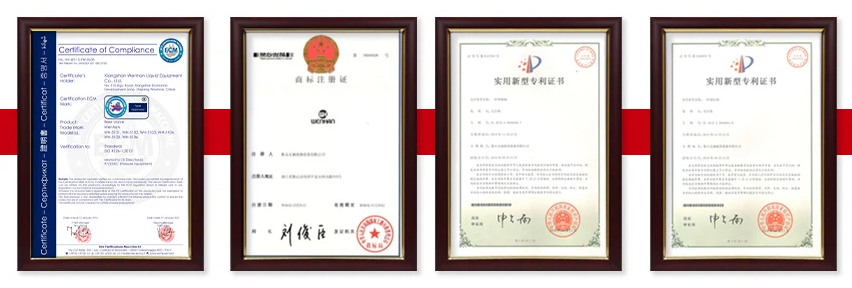
We're well-known as one of the leading beer keg fittings manufacturers and suppliers in China. Our factory offers high quality beer keg fittings made in China with competitive price. Welcome to contact us for wholesale service.
oil flow regulator, cash acme water pressure regulator, air compressor pressure switch control valve manifold regulator gauges(0/10)



